
All wine classes are scalable, but require a minimum of 8 people. Each students will sample about 2 ounces of each wine, equalling roughly 2 full glasses. Students will receive class handouts, water, and hors d'oeuvres. Maximum suggested class size is 40 people. City Vino is not resposible for any ABC licensing, so check with Virginia ABC for specific licensing requirements. Private home classes usually do not require an ABC license. Only non-profit organizations can sell tickets for classes. Pricing depends the selected class. Please email [email protected] for a quote.
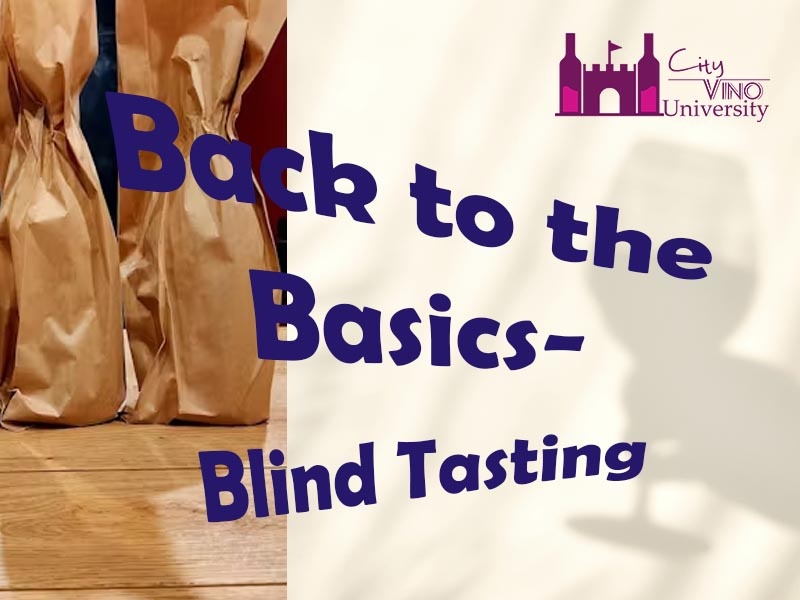 Back to the basics Blind Tasting: Use the tools you already possess to identify what you taste. We will use our everyday experiences to qualify our observations and dispel our preconceived notions of what we THINK wine should be. By using the “See, Swirl, Sniff, and Sip” method, we will identify the basics of some varietals and discover the true beauty between vineyard and production methods. This class has a sample of six different wines and a plate of light snacks. The snacks pair with the wines, but you won’t' know until the wine is revealed.
 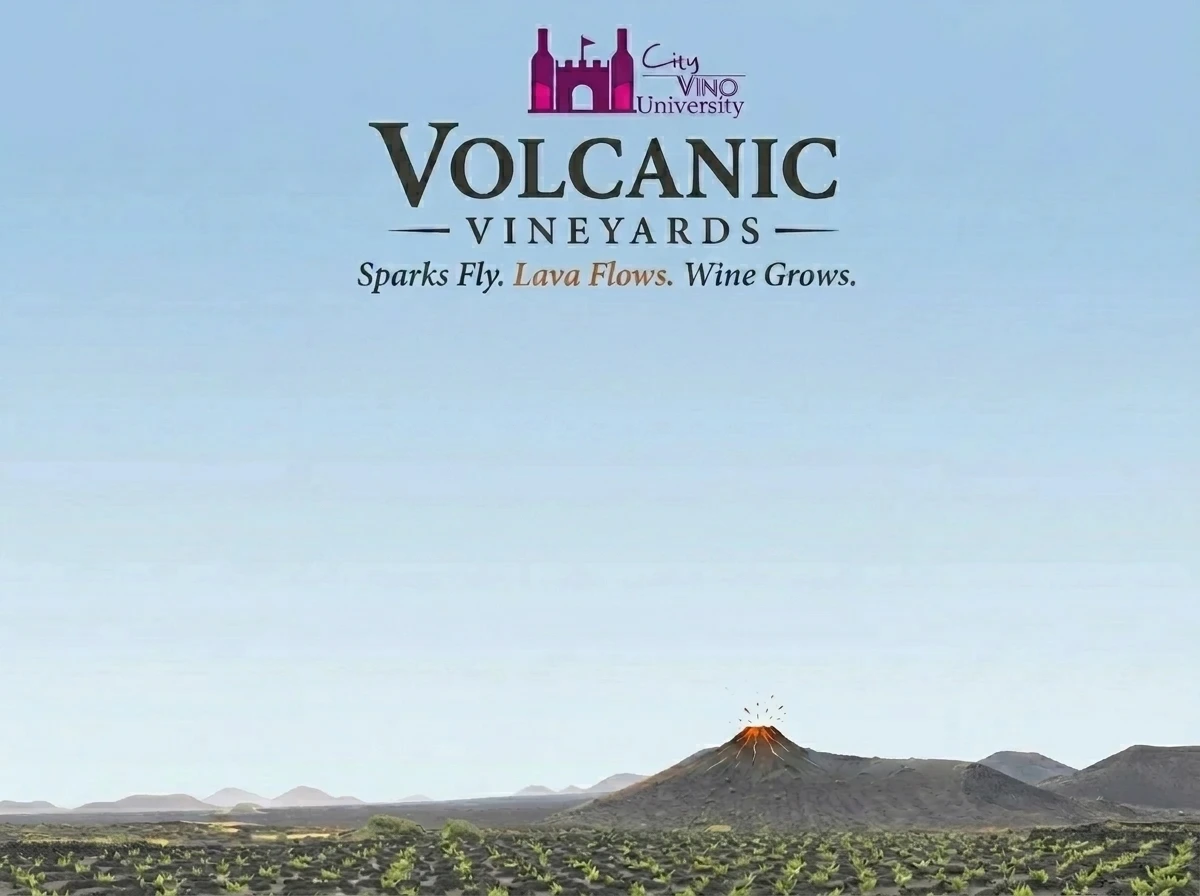 Volcanic Vineyard, Sparks Fly, Lava Flows, Wine Grows: This class explores the dramatic intersection of wine and geology—where vines are rooted in soils born from fire, ash, and shifting earth. We’ll look at how volcanic landscapes are formed through tectonic forces like subduction (one plate sliding beneath another), rifting (plates pulling apart), and mantle hotspots, all of which create the raw terrain that shapes these unique wines. Volcanic soils such as basalt, pumice, ash, and tuff are often low in nutrients but highly expressive in wine, forcing vines to dig deep and resulting in wines with tension, bright acidity, smoky undertones, and a distinct mineral or saline edge. We’ll taste through key volcanic regions including Mount Etna, Santorini, Canary Islands, and volcanic-influenced sites like Willamette Valley, connecting geology directly to what’s in the glass. A journey through fire, stone, and some of the world’s most electric wines
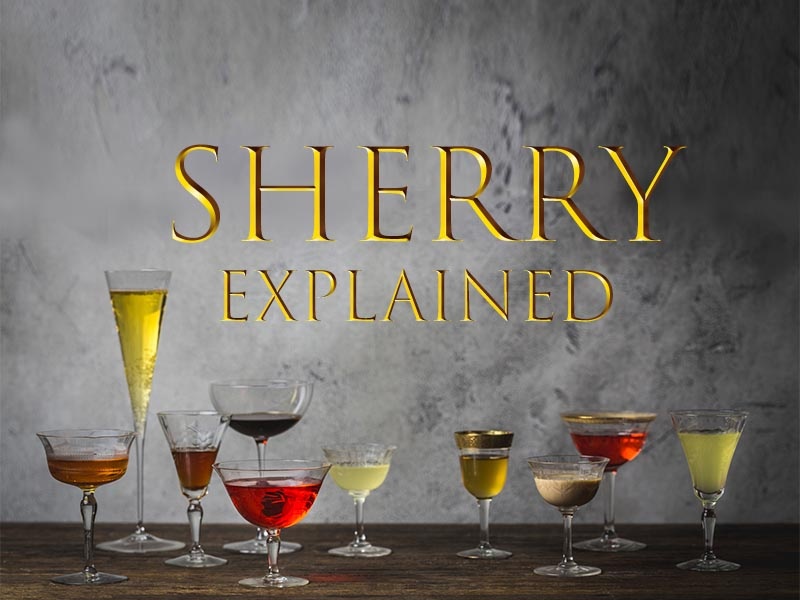 Sherry Explained: Fortified wine does not have to be sweet wine! “Sherry Explained” is an in-depth exploration of one of the wine world’s most complex and historically significant styles. The course traces the evolution of Sherry from its Phoenician origins through England’s long-standing obsession and the challenges of 20th-century scandals. Students will examine the geography, climate, and zones of production in Jerez, Spain, with particular attention paid to its distinctive soils, grape varieties, and vineyard management practices. Winemaking topics include biological versus oxidative aging, back-sweetening methods, maturation techniques such as the solera system, and the classification of Sherry styles. The course concludes with a hands-on blending exercise, allowing students to experiment with creating their own Sherry-style profile.
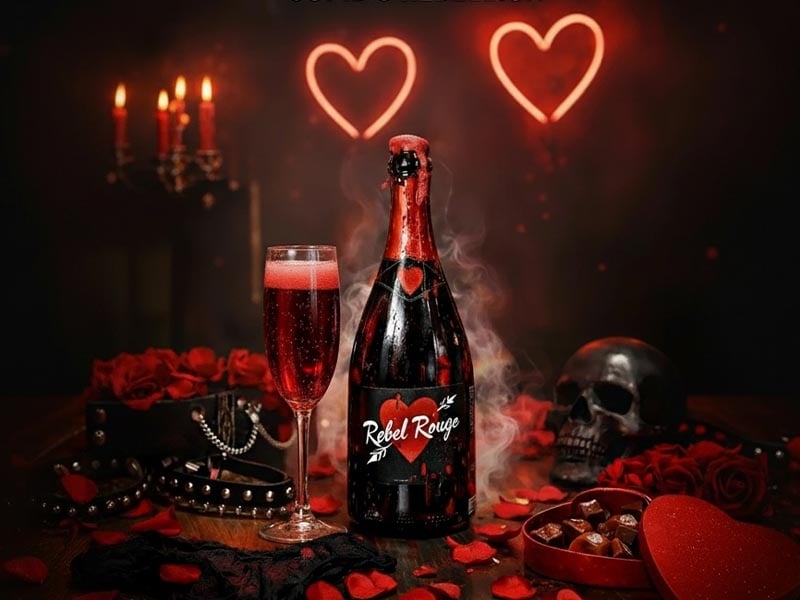 Red Sparkling Wine - A Cupid's Rebellion: White sparkling is just fine. Rosé? We get it, there’s no shortage of pink bubbles. But when you’re not aiming for “girly” and you’re really looking for a great bottle of red to share with your Valentine, an unexpected question arises: red sparkling wine, how is that even a thing? What rebellious Cupid put that into orbit? In this guided tasting, we’ll explore the fascinating world of red bubbles, from lightly frizzante and juicy to dark, structured, and downright seductive. These wines challenge expectations and blur the line between celebration and intimacy, revealing why effervescence can make red wine even more alluring. Long tied to romance, ritual, and a touch of mischief, often wrapped around a big chocolate heart, red sparkling wines offer a bold, unconventional way to toast love. Come curious. Come fall in love. (Your partner may get a little jealous.)
 Bubble in the Bottle and SPARKLE!: Explore how bubbles are created through different winemaking methods, from traditional Champagne techniques to tank-fermented Prosecco, Pet-Nat, and beyond, while discovering why each style tastes uniquely crisp, fruity, yeasty, creamy, or delicate. The class highlights the evolution of sparkling wine from its accidental beginnings to its rise as a symbol of luxury and celebration. Uncover why fizz in a glass became the go-to toast for weddings, New Year’s, graduations, Valentine’s Day, and life’s sparkling moments. A curated tasting will showcase a range of styles, understand production methods, terroir, sugar levels, pressure, and personality in every bubble. Come sip the science, history, and magic that make sparkling wine sparkle.
 Defining Terroir - Getting the Dirt on Merlot: Ever wonder why Merlot tastes so different depending on where it’s grown? The definition of terroir has evolved from a simple idea of soil and place to a living, shifting relationship between land, climate, seasons, and human decision-making. In this class, we’ll explore how that evolving concept plays out in the vineyard, examining healthy soils, farming practices, latitude, and vintage variation while tasting Merlots from classic Pomerol to unexpected New World regions. Join us as we trace how terroir has expanded over time and discover how nature, technique, and tradition continue to shape every glass of Merlot.
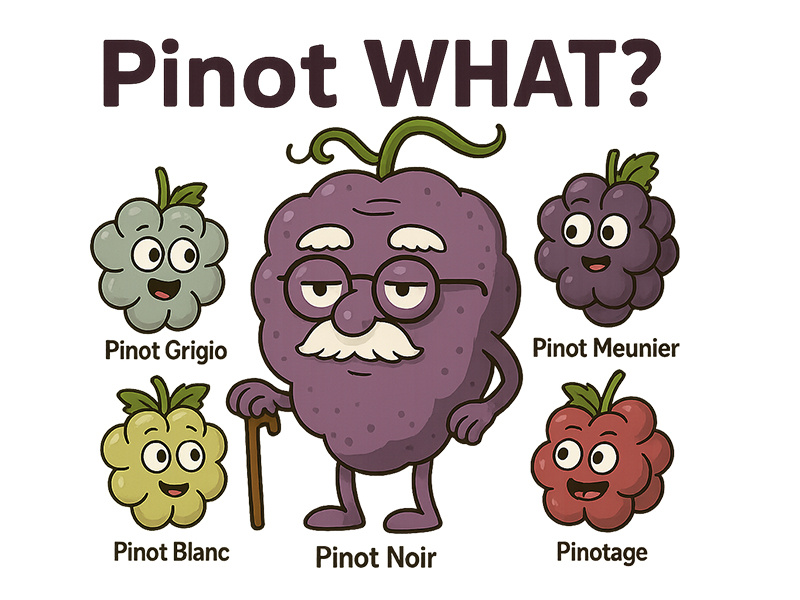 Pinot What?: Think your family reunions are strange? Wait until you meet the Pinot family. It is full of mutations, crossings, and a few scandalous grape affairs. Which grape is the parent? Are these grapes even related? Is Pinot Grigio just Pinot Noir in disguise? What exactly is Pinot Meunier? And wait, Pinotage is part of the family? Join us for a playful, palate-pleasing exploration of the Pinot posse. We’ll untangle the genetic mysteries, bust some myths, and trace the lineage (or juicy gossip) that links these grapes.
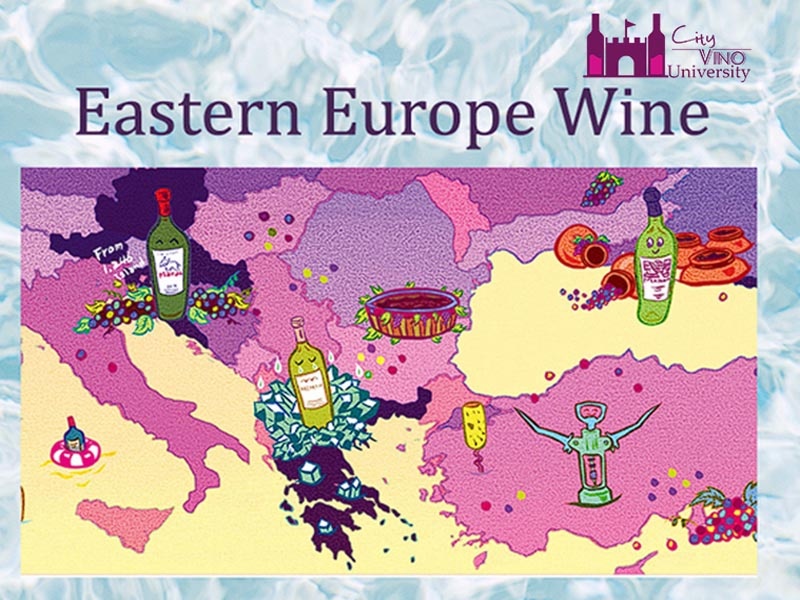 Eastern European Wines: There’s old world wine, and then there’s ancient world wine. Wine production in Eastern Europe dates back to pre-biblical times, with winemaking traditions that have stood the test of time. But what makes these age-old techniques still relevant today? How have these wines shaped the modern industry and influenced the way we enjoy wine? Join us for an exploration of the historic wine regions of Eastern Europe, where tradition meets innovation. Taste the flavors of these ancient lands and discover the stories behind some of the world's oldest winemaking methods.
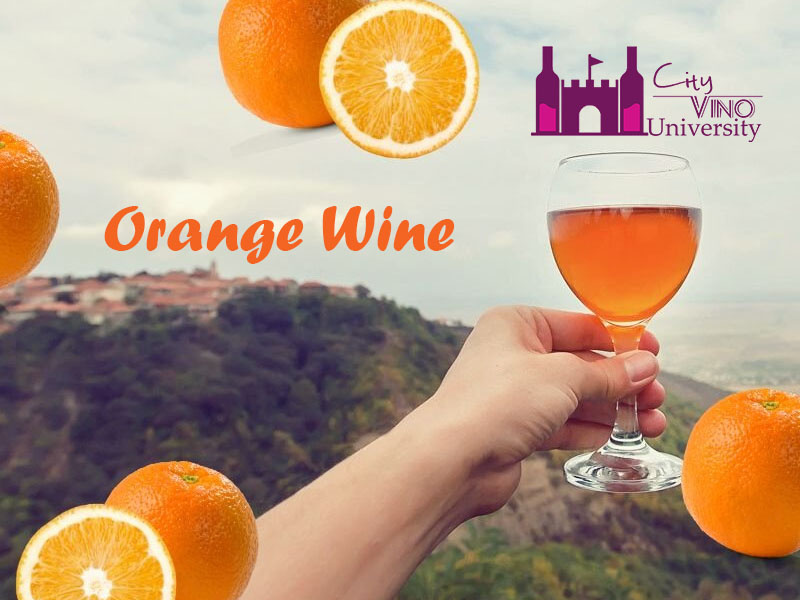 Exploring Orange Wine - A Revival of Ancient Techniques: Is orange wine a new trend, or are we rediscovering ancient winemaking practices? In this class, we'll dive into the world of orange wine, a style that dates back over 3,000 years. Unlike traditional white wines, orange wines are made from white grapes that undergo extended skin contact during fermentation. This gives Orange wines distinctive amber hue. We'll explore the history behind orange wine, how it was produced in ancient times, and why it's making a comeback today. You'll learn about the varietals that are ideal for making orange wine and how this ancient technique is being embraced by modern winemakers. Join us to uncover the rich history and unique qualities of orange wine and discover why this "old" method is captivating a new generation of wine enthusiasts.
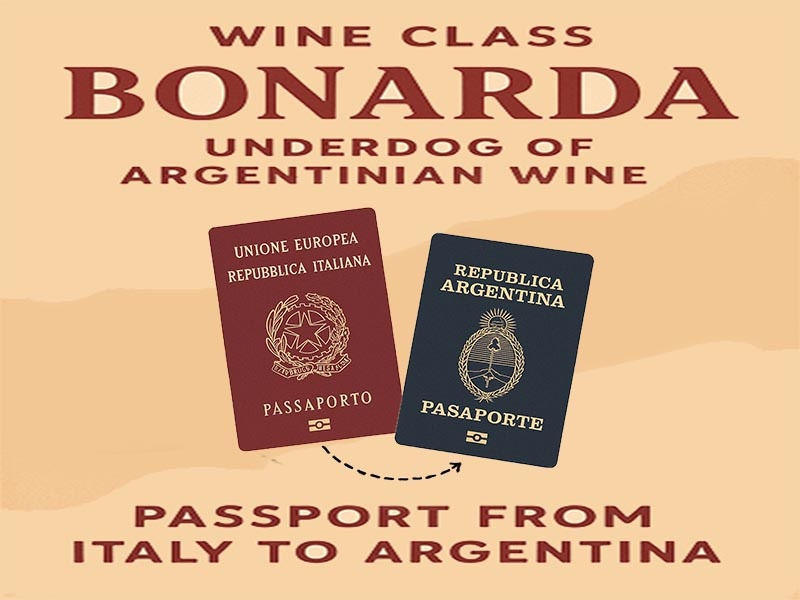 Bonarda, The Underdog of Argentinian Wine: Bonarda is the bold, mysterious grape that quietly became one of Argentina’s most planted varietals, yet few have heard of it. What is this grape, where did it come from, and why is it so hard to pin down, even in Italy? Join us as we untangle the chaos of Italy’s naming system, explore why some wines make the cut for restaurant menus while others stay in the shadows, and discover how this overlooked grape is finally gaining the recognition it deserves across the globe.
 Never, Ever Have I had a ... What is That Grape? Most people are only familiar with the same 8 grapes on a restaurant menu. Are you bored yet? There are more than 10,000 wine grapes out there. Most never leave their home regions. Some barely make it into bottles. And a handful somehow land here…with names you probably can’t pronounce. Would you confidently order one? Didn’t think so. This is your chance to try them—no pressure, no wrong answers. You might find something that tastes surprisingly familiar…or something completely new you didn’t know existed. Walk away with the confidence to explore the unknown, the language to describe what you like, and a sense of discovery you won’t find on a grocery store shelf.
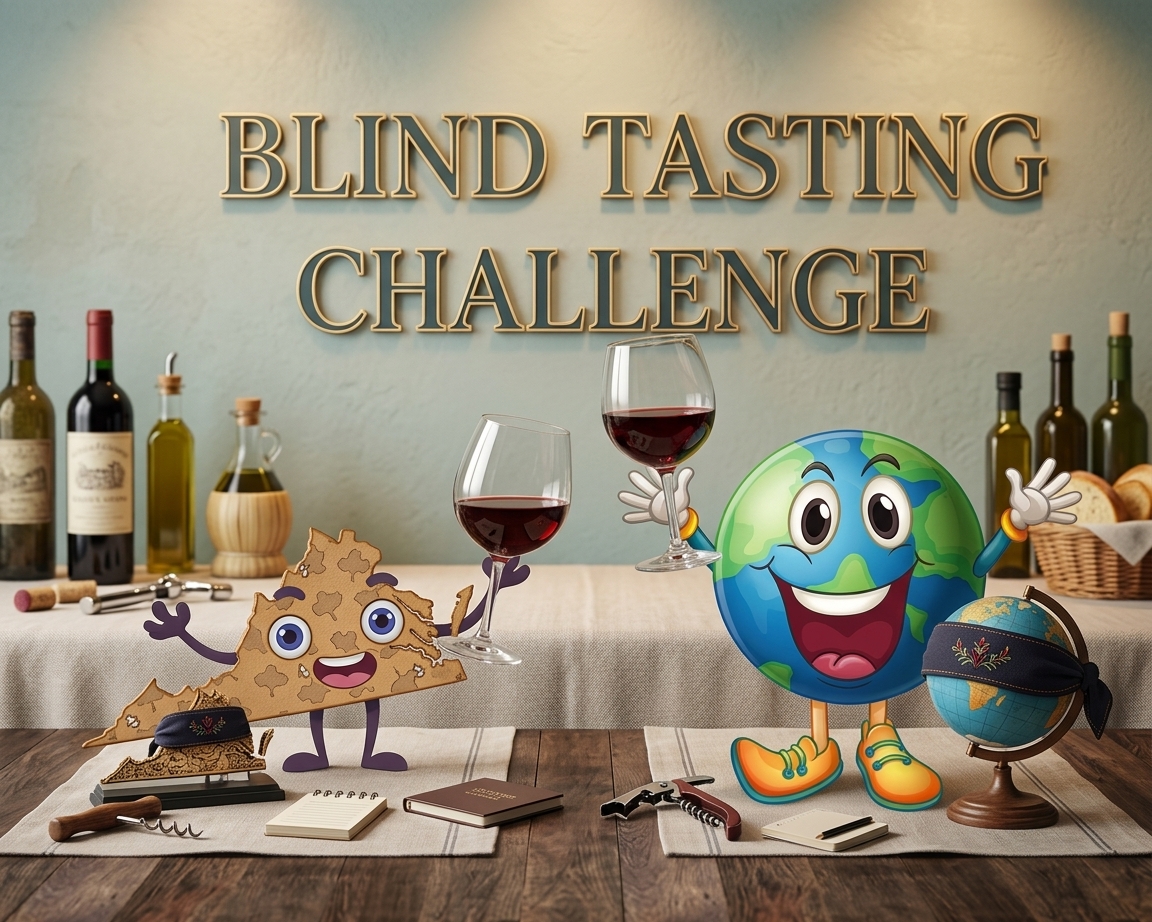 Virgina vs. The World: Bling Tasting Challenge: As Virginia celebrates 250 years of history, put your palate to the test. Taste pairs of wines made from the same grape variety, one from Virginia and one from a renowned wine region elsewhere in the world. Your challenge? Identify the grape and decide which wine is from Virginia. No labels. No hints. Just a fun and interactive blind tasting that will challenge your assumptions and reveal how Virginia wines stack up against some of the world's most respected producers.
