Nov 28th at 7:00 PM - Tickets include a flight of 6 wines, 20+ cheeses (including premium selections), and delicious bites! Explore wine and cheese pairings at your own pace. Taste, mingle, discover new favorites, and enjoy some adult conversation with
FUZZY GOLDMINE IS BACK AT CITY VINO! Friday, October 23rd. Doors open at 7:00, show starts at 7:30. Fuzzy Goldmine brings their funk-filled, genre-bending sound to City Vino for a night of music, wine, and seriously good vibes. Janea Dupeyron leads t
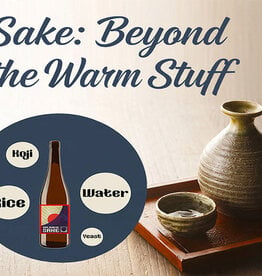
November 4th at 7:00 PM Think sake is that warm drink served with dinner at your favorite teppanyaki table? Well… you wouldn’t be wrong, but you’d be missing out on a whole lot more! Japanese sake can be fresh, fragrant, savory, rich, and full-bodied, wit
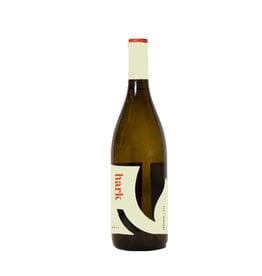
100% Petit Manseng. Medium lemon in color. Fragrant florals of apple blossoms and honeysuckle, followed by cantaloupe, white pear, ginger, pineapple, vanilla, and sur-lie cream. Following to the palate, flavors of apricot, fruit cocktail, toast, with warm
58% Vidal Blanc, 26% Pinot Gris, 16% Roussanne. Aromas of ripe apple, pineapple, honeysuckle and delicate floral notes lead into a generous palate of pear, peach, apricot and melon, layered with citrus zest and subtle spice. Dry with M acidity, M body, M+
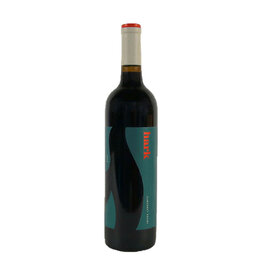
100% Cabernet Franc. Deep ruby color. Aromas of red berries, violets, potpourri, wild reeds. On the palate, it shows layers of flavors of red and black cherry, ripe plum, thyme, white pepper, and dried herbs, underpinned by warm wood tones, earth nuance,
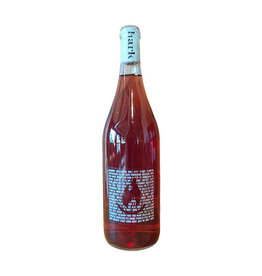
100% Petit Verdot. Clear, pale ruby in color, with lifted aromas of watermelon, red cherry, violet, jasmine, rhubarb, wild strawberry, raspberry, and fresh red berries, alongside a subtle savory, earthy note. The palate is bright and juicy, showing red ch
Sunday, November 15th *** COME FOR LUNCH • 1:00–2:00 PM (Menu items for purchase) Make an whole afternoon with us!
MAHJONGG PLAY • 2:00–4:00 PM -$30 per person = includes wine, your seat at the table, and guided and social play.
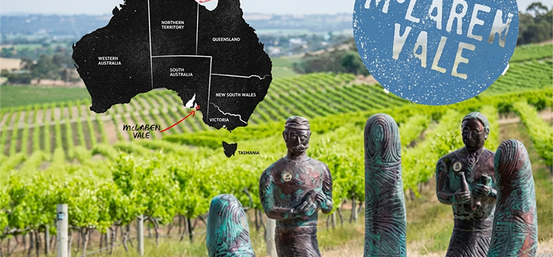
Here is a tiny bit of the much larger Australian wine history, which I hope will help make sense as we dive into the particulars of McLaren Vale. Think Age of Discovery. You’ve got sailing ships running around the world, “discovering” new lands, establishing colonies, and generally making a very large mess of the map.
Port has a bit of a reputation. Maybe you think of it as the little glass of something sweet that appears at the end of a big dinner. Maybe you know there is Ruby Port and Tawny Port. Maybe you’ve heard that it comes from Portugal and that it is fortified. And honestly? That’s a pretty good place to start. But Port is a much bigger story than Ruby and Tawny.
Age Verification
You must be over 21 to use this site. Are you over 21?