This weekend, Friday October 15 and Saturday October 16, City Vino travels the world with a destination of South Africa—specifically the area known as the coastal region. South Africa is the ninth-largest wine-producing market in the world. The country has about 230,000 acres of vines, producing 1.5 million tons of grapes (2021 harvest) of which 45 percent are red grapes and 55 percent are white grapes.
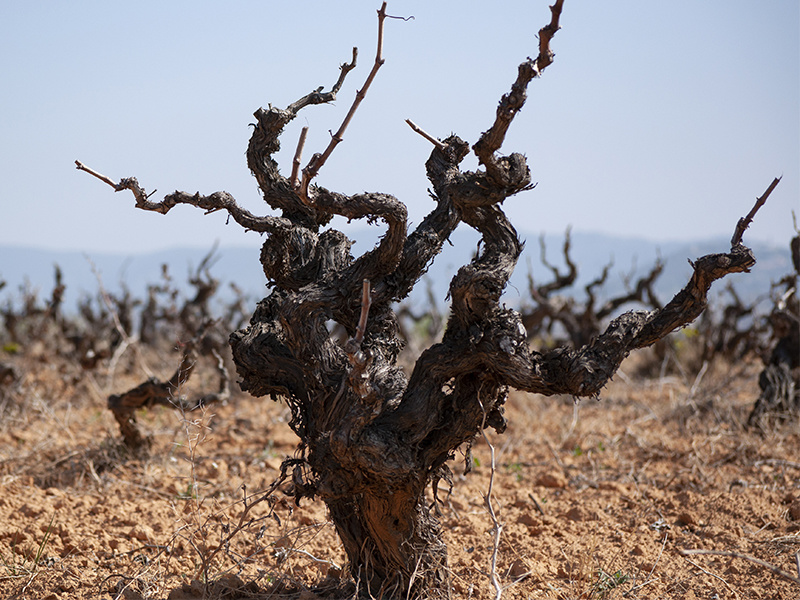
This weekend, Friday October 8th and Saturday October 9th, 2021, travel with City Vino to four regions of Spain. The identity of these regions is forever linked to a specific grape variety or a couple of varieties.
The viticultural history of wine in the state of California dates back to about 1680, when Jesuit missionaries from Spain planted grapes that were native to their homeland in their new world established missions in order to produce wine for religious services
Sicily, a large, strange island in the middle of the Mediterranean. For a good portion of history, it had been a strategic point to conquer and impose ones’ culture upon, that is if you can walk and then communicate over the mountains. Let us start from the beginning.
Being autonomous, Chileans were free to travel the world and own land. Viticulture was on the rise as clippings from European vines were brought back to Chile to be produced into wine for personal and local consumption. One Landowner was Silvestre Ochagavia, who in 1851, pioneered the commercializing the wine industry.