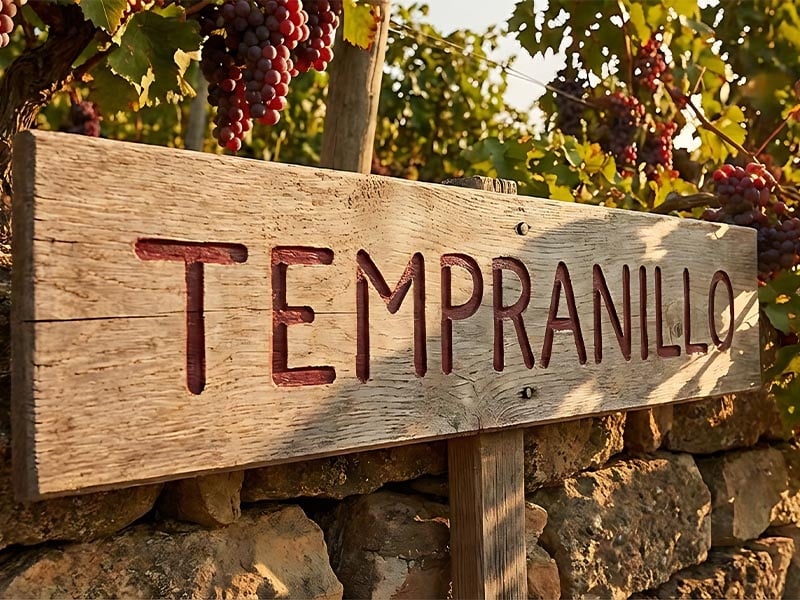
 Spanish cultivation of Vitis vinifera, the common ancestor of almost all vines in existence today, began in earnest with Phoenician settlements in the southern provinces. Later, according to the Roman writer Columella, vines were grown all over the Iberian Peninsula, establishing a long viticultural tradition. Within this context, Tempranillo emerges as an old grape dating back to at least the ninth century, where there were only scattered references to the name. This is presumably because, in many places, such as the Valdepeñas region, it was the dominant indigenous variety and simply assumed to be a different grape.
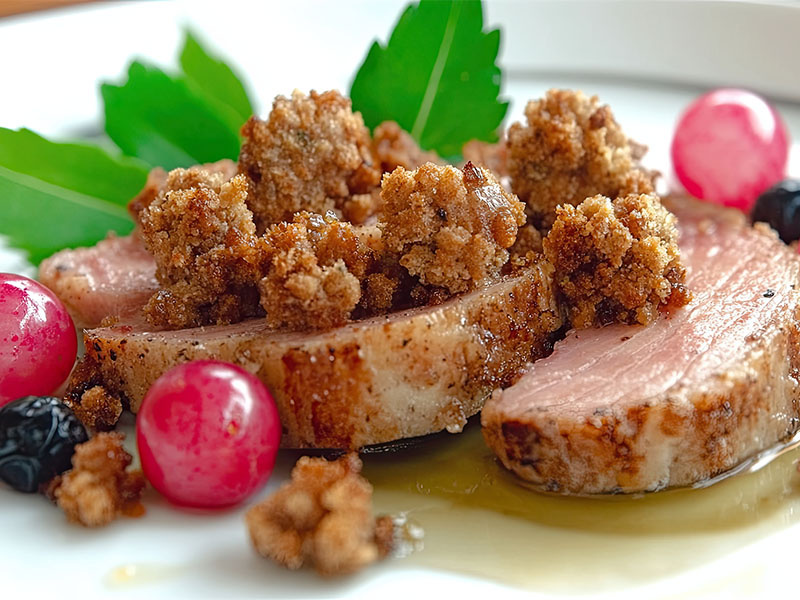 In a cozy West Coast home, preparations were in full swing for a Thanksgiving feast that would capture the region's essence. This celebration, shaped by the bounty of the Pacific coast, promised an unforgettable experience filled with seasonal produce, diverse dishes, and wines that showcased California and Oregon’s finest. The gathering brought together family and friends—parents, siblings, cousins, and extended family—all excited to savor the local flavors that defined the holiday meal.
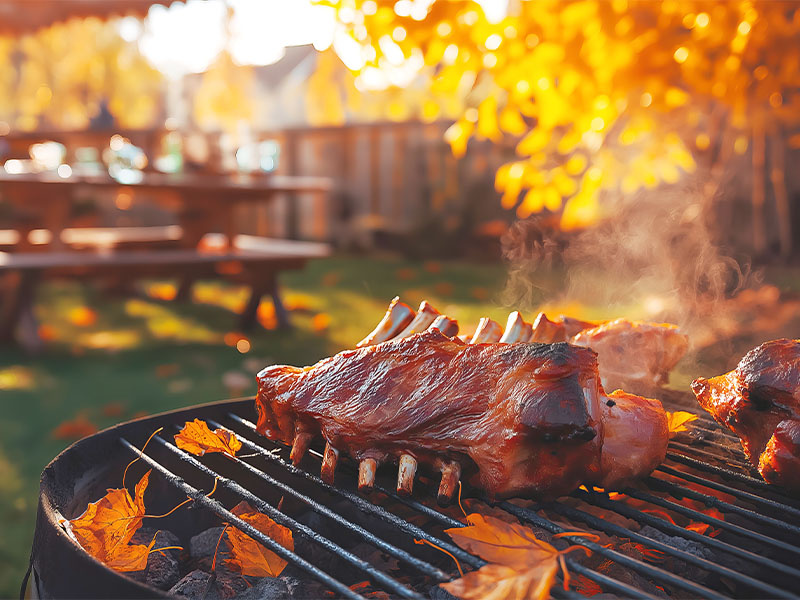 As the weather cools and the time for campfires and backyard grilling returns, choosing the right wine to pair with your outdoor feasts becomes essential. Consider key wine characteristics like acidity, flavor intensity, fruitiness, body weight, and alcohol content when making your selections. High-acid wines, such as Sauvignon Blanc, can cleanse the palate, while fuller-bodied reds, like Zinfandel or Malbec, stand up to bold grilling rubs and sauces. Because wine can often play the dominant role in pairings, balance its flavors against the richness of grilled dishes. This way, each sip and bite enhances the other, making for a perfect evening around the fire.
 The world of cocktails is rich with history and creativity, offering a diverse array of drinks that reflect cultural influences and innovative spirit. Among these are the Bellini, Pineau Spritz, Kalimotxo, and Vermouth Cassis. Each has unique stories and flavors that have contributed to their enduring popularity.
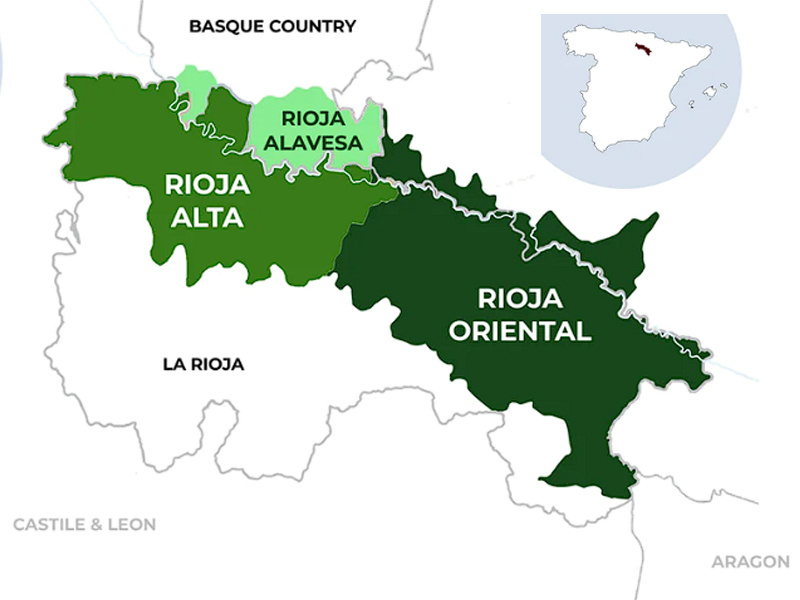 The Rioja wine region, nestled on a plateau in the northeastern corner of Spain, is a land of rich history, diverse terroirs, and unparalleled viticultural traditions. Spanning an altitude range of 300 to 800 meters, Rioja's landscape stretches approximately 60 miles along the northeastern banks of the Ebro River, from the enchanting city of Haro, in the northwest, to the picturesque town of Alfaro, in the southeast. This geographical diversity, coupled with its unique climatic conditions and political boundaries, contributes to the region's remarkable array of wines, each bearing the unmistakable stamp of Rioja's terroir.