The Willamette Valley is a wine region in Oregon stretching from Portland in the north to Eugene in the south. The region is 60 miles at its widest point, and it is protected from ocean weather to the west by the Coast Range and protected on the east by the Cascade Range. The valley follows the Willamette River. Its climate is cool and misty. The growing season is long and gentle with warm summers and cool evenings.
This time of year, there are many articles written about what wines to pair with your Thanksgiving meal. To add an interesting international spin to your Thanksgiving table, City Vino is taking you across the globe to Italy. Italy is the home to many different wine regions, and many indigenous grapes, and its wines vary greatly in grapes and styles. Here are some recommendations for 2019 Thanksgiving:
Wine allows us to explore the world, all from the comfort of our very own glass. Through wine, we are able to explore new wine grapes, new wine regions, and experience unique combinations of aromas, flavors, and textures.
If you guessed wine region, you’d be correct. Vinho Verde is the northernmost of Portugal’s winemaking regions. The region is located on the west of the Iberian Peninsula, and is bordered by the Atlantic Ocean on its west. Due to its proximity to the ocean, the region’s climate resembles the lush and green Pacific Northwest. Vinho Verde translates literally as “green wines,” but in this case, the “green” means young wine that is released within three to six months after harvest, and it is meant to be drunk while young and vibrant.
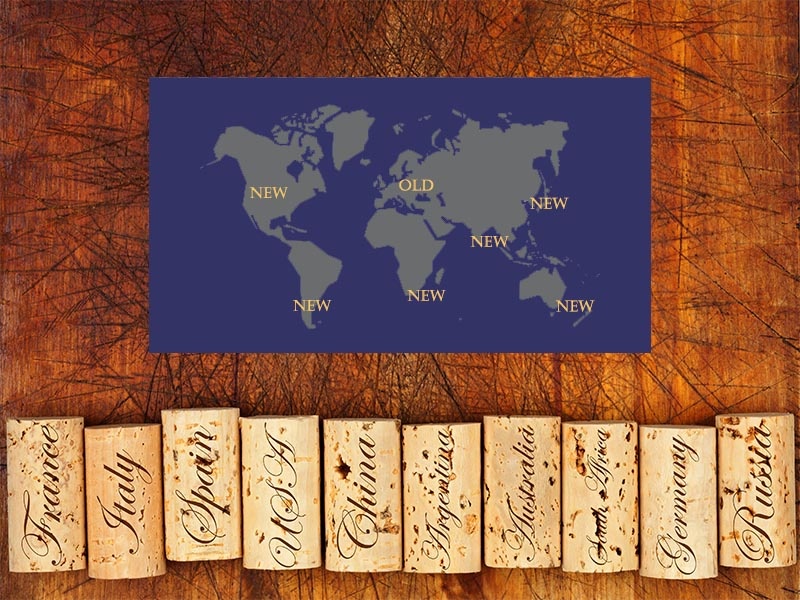
The terms “Old World” and “New World” are used often in the world of wine to describe different characteristics and styles of wines. The characteristics and styles that are synonymous with these terms are generalizations based on historical precedent, and not on absolutes.