The informal meaning of the word peachy is “unusually fine or dandy” and that is our wish for you, this Memorial Day weekend, and all summer long. With temperatures bound to rise as we have already experienced a few days this month, nothing is more refreshing in your glass than something bright, cold, and possibly frosty.
 Picture clear skies; rolling hills with lots of vineyards; small towns with medieval structures; tall cypress trees around homes, towns, and lining driveways. You are in Tuscany. Tuscany is the most important wine growing region in central Italy. About 15 percent of all the land in the region is under vine.
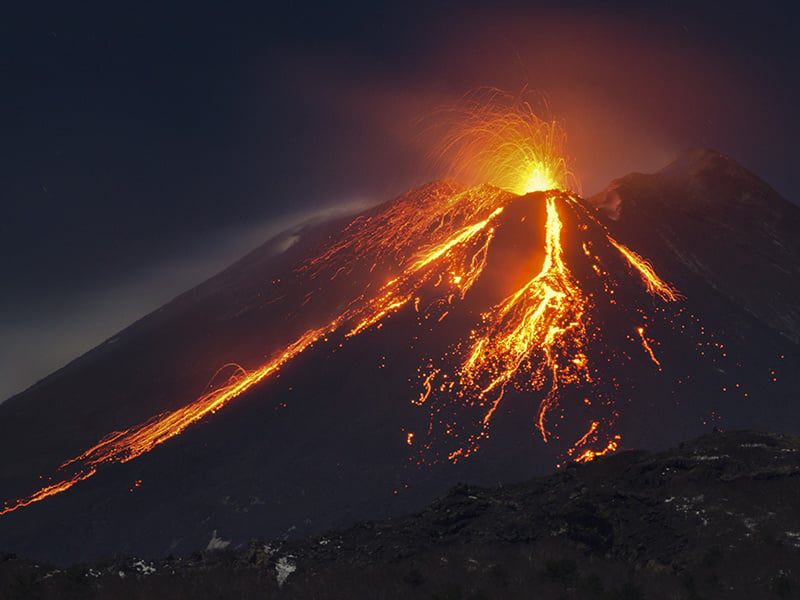 Sicily is an island, located off Italy, where lovely wines can be made. Here are some interesting facts about the island:
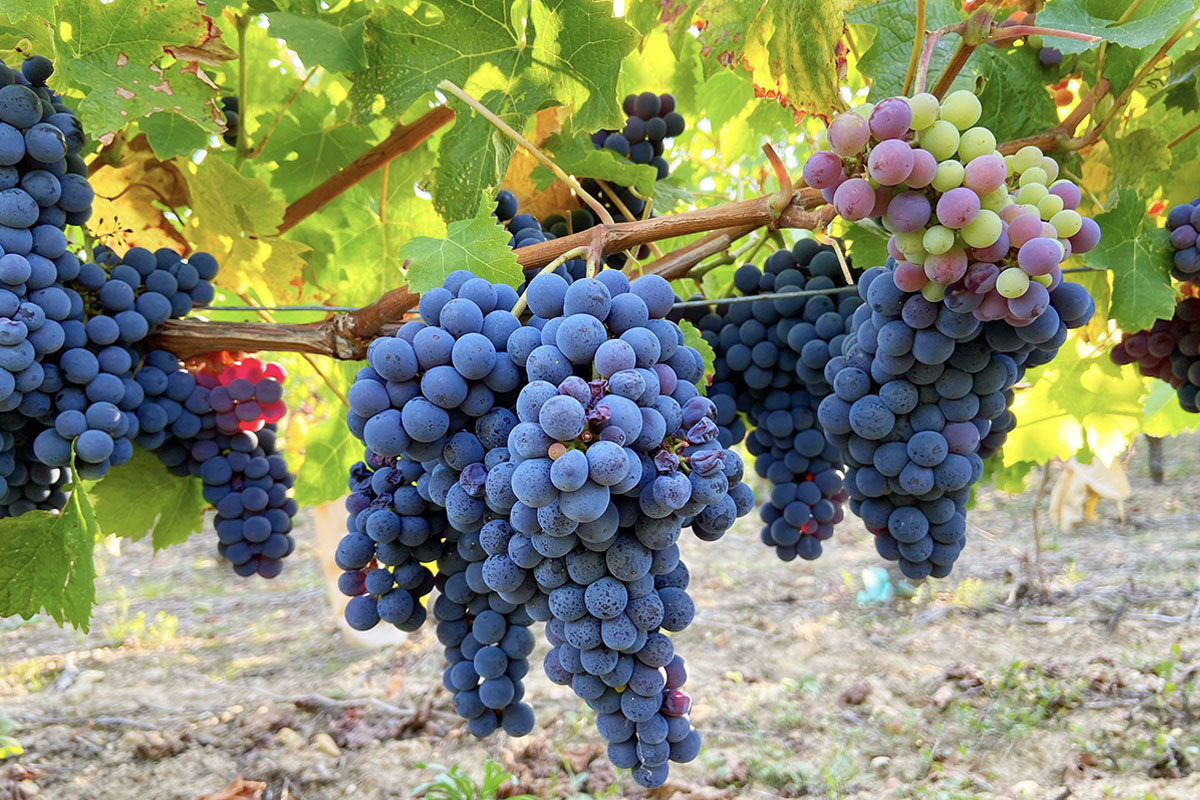 Cabernet Franc is well known for being a blending grape in Bordeaux, but it is so much more than that. It is not only one of the parents of Cabernet Sauvignon, but also a parent of Merlot and Carménère. Cabernet Franc is also one of the top 20 most-planted grapes in the world. It is believed that Cabernet Franc originated in the Basque region in France, where Northern Spain meets with Southwestern France, near the cost of the Bay of Biscay.
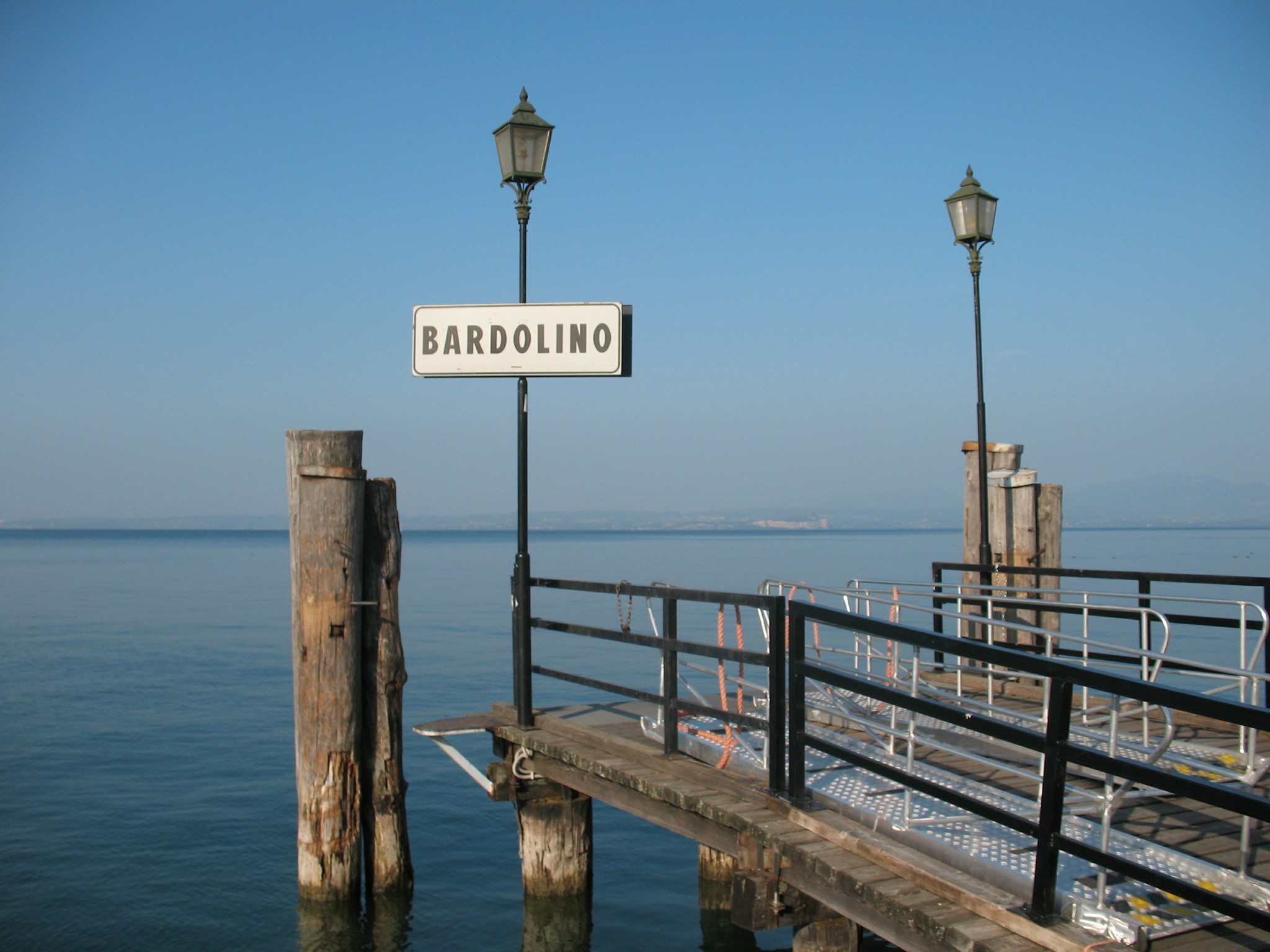 Along the east of Lake Garda, the province of Veneto, in north-eastern Italy, lies around the picturesque town of Bardolino. The wine region takes its name from this town, but it also encompasses a broader area. Wines labelled as Bardolino Classico are those made specifically near the town of Bardolino, itself, from original vineyards.