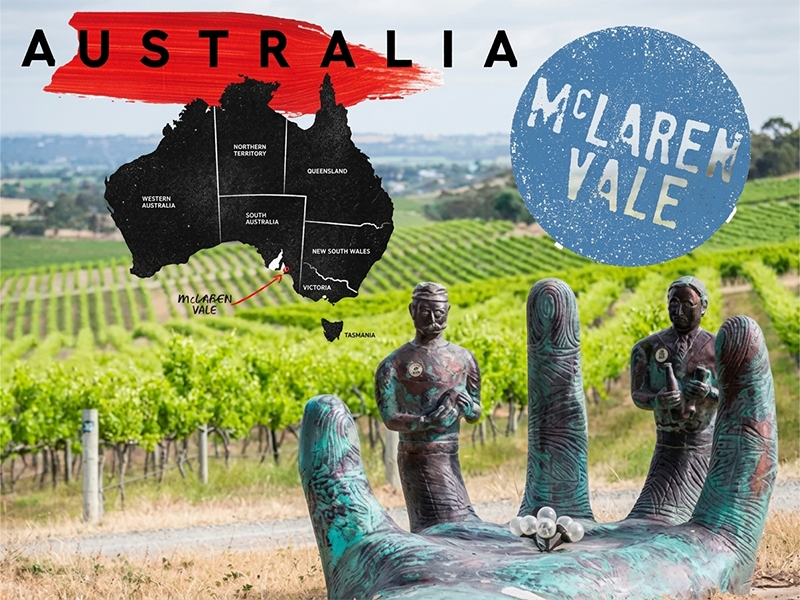
Here is a tiny bit of the much larger Australian wine history, which I hope will help make sense as we dive into the particulars of McLaren Vale. Think Age of Discovery. You’ve got sailing ships running around the world, “discovering” new lands, establishing colonies, and generally making a very large mess of the map.
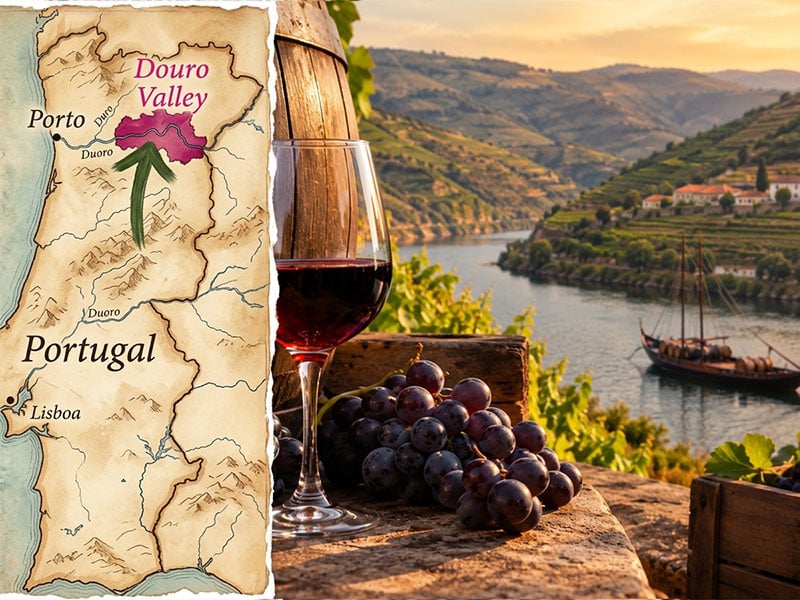
Port has a bit of a reputation. Maybe you think of it as the little glass of something sweet that appears at the end of a big dinner. Maybe you know there is Ruby Port and Tawny Port. Maybe you’ve heard that it comes from Portugal and that it is fortified. And honestly? That’s a pretty good place to start. But Port is a much bigger story than Ruby and Tawny.
When you hear the words “sustainable wine,” what comes to mind? Solar panels on a winery roof? Organic grapes? Maybe a bottle made from lighter glass? Those are certainly pieces of the puzzle. But sustainability in wine is much bigger and much more interesting than a list of environmentally friendly practices. At its heart, sustainable winegrowing is about finding a way to produce high-quality grapes and wine while protecting the land, the people who work it, and the communities that depend on it. The Wine Institute describes sustainable winegrowing as environmentally sound, socially equitable, and economically viable. Those three ideas—environmental health, social equality, and economic vitality—are the foundation.
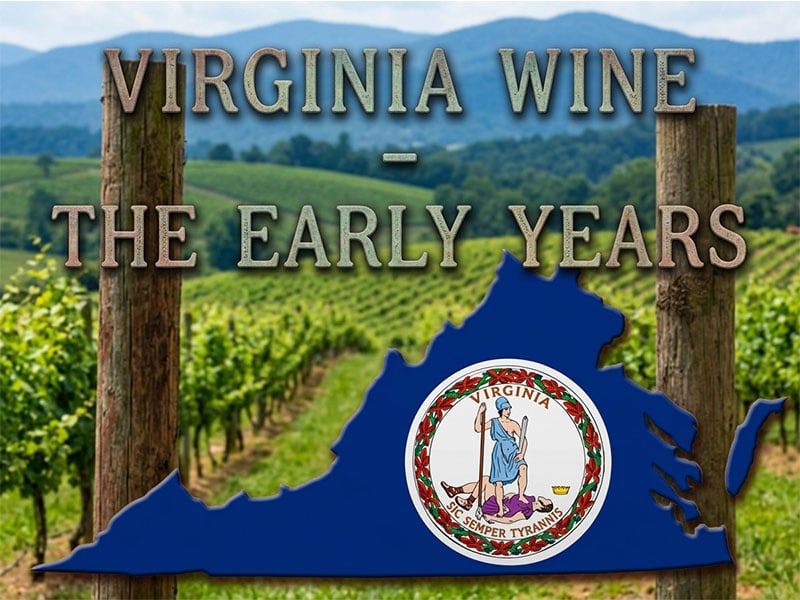
Virginia wine has enjoyed a remarkable run of international recognition over the past several years. Most recently, wineries from the Commonwealth, particularly those in the Monticello AVA, made headlines after blind tastings once again placed Virginia wines alongside some of France’s best. For many, it felt like another “Judgment of Paris.” Whether it surprised anyone depended largely on which side of the Atlantic they were standing.
Back in April of 2025, the City Vino Wine Cru received bottles from the land of Texas with a question. Who produced wine first? Was it Viginia or was it Texas? You would think this would be an easy answer. We Virginians are pretty proud of our viticulture. But that month we spent some time on diving into Cortes’s adventures defeating the Aztecs in 1521, sort of (Montezuma’s Revenge). The Jesuits and Franciscan monks followed, proselytizing, trying to make Christians out of everyone working their way form Cozumel to eventually, like 100 years it took them, to the western side of Texas, then New Mexico, Arizona, and up into California planting the mission grape, Pais. Why 100 years to get from Cozumel to Texas?