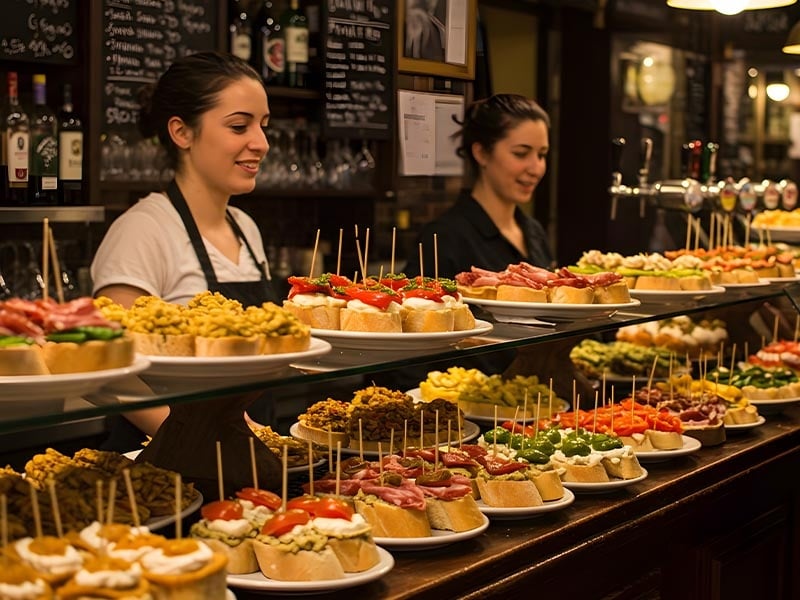
The Basque Country, straddling northern Spain and southwestern France along the Bay of Biscay, is a region defined by contrasts that somehow resolve into coherence: Ancient language and cutting-edge cuisine, rugged fishing villages and avant-garde architecture, deep rural tradition and global culinary influence.
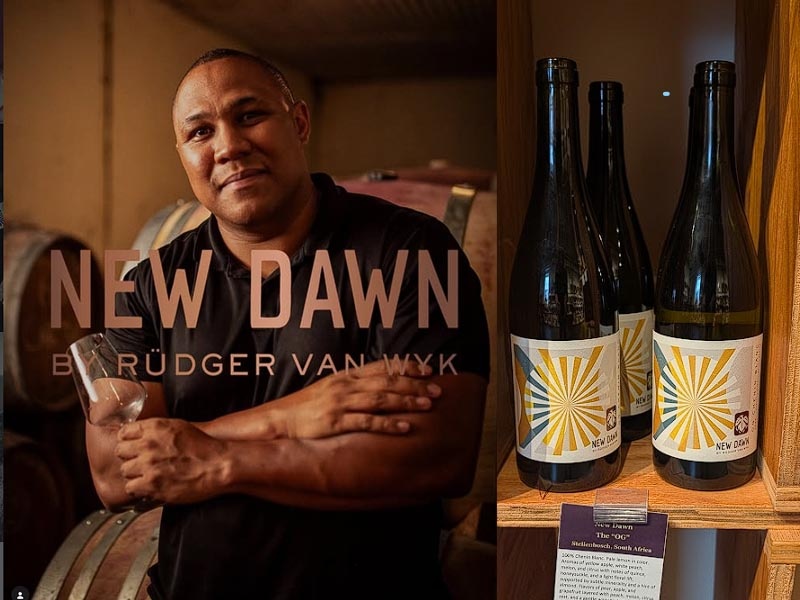
The wine world has often told a very specific story about who wine belongs to. Historically, that story has been European, white, and rooted in centuries-old traditions that rarely made room for voices outside that culture. For many people of color entering the industry, the message was often subtle, but clear: Wine wasn’t really for you—or if it was, it belonged in sweeter, simpler, cheaper forms.
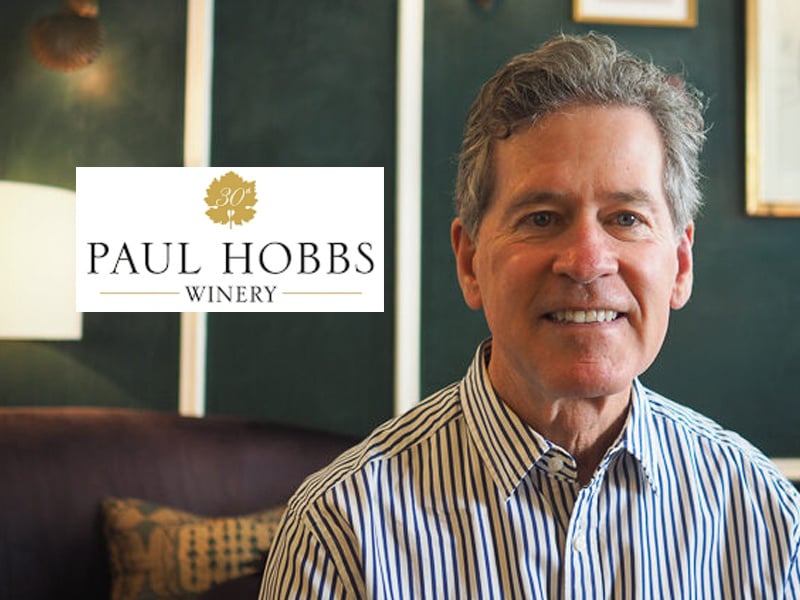
In the world of fine wine, few names carry the same weight as Paul Hobbs. Revered for crafting world-class Cabernet Sauvignon, Chardonnay, Pinot Noir, and for helping elevate wine regions across multiple continents, Hobbs has become one of the most respected winemakers of his generation. Yet the story of Paul Hobbs does not begin in Napa Valley tasting rooms or among collectors chasing 100-point scores. It begins on a fruit farm in upstate New York, where hard labor, cold winters, and a deep connection to the land shaped the philosophy that would define his career.
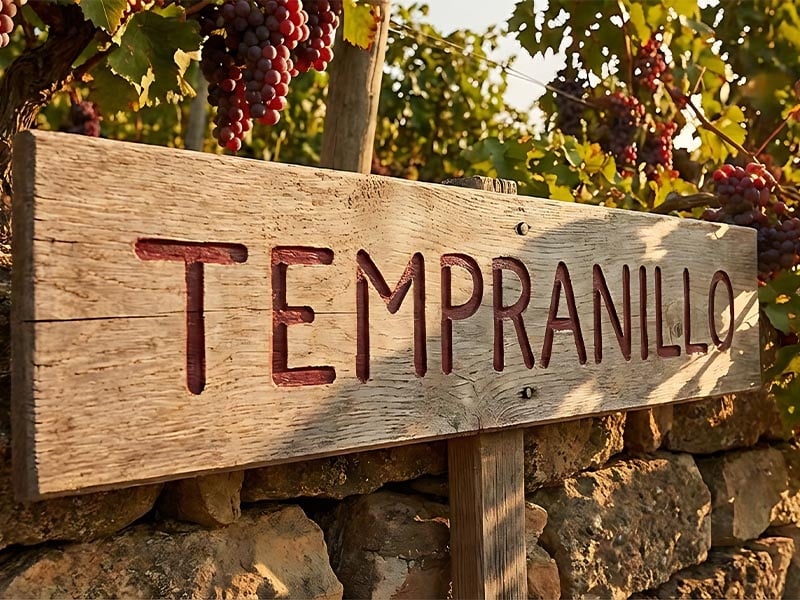
Spanish cultivation of Vitis vinifera, the common ancestor of almost all vines in existence today, began in earnest with Phoenician settlements in the southern provinces. Later, according to the Roman writer Columella, vines were grown all over the Iberian Peninsula, establishing a long viticultural tradition. Within this context, Tempranillo emerges as an old grape dating back to at least the ninth century, where there were only scattered references to the name. This is presumably because, in many places, such as the Valdepeñas region, it was the dominant indigenous variety and simply assumed to be a different grape.
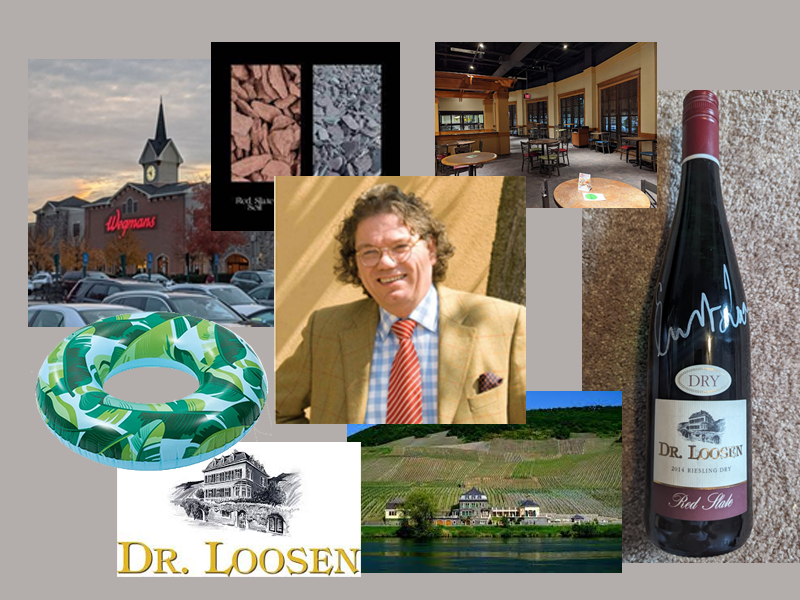
When the Wegmans in Central Park first opened, there was a pergola with high tables set between the cheese deli and the produce. On Thursday and Friday nights and Saturday afternoons the wine and cheese staff would share wonderful tales of that week’s wine and a perfect whatever nibblie was served that day. This “Perfect Pairings” gained a following and many wine drinkers came out.