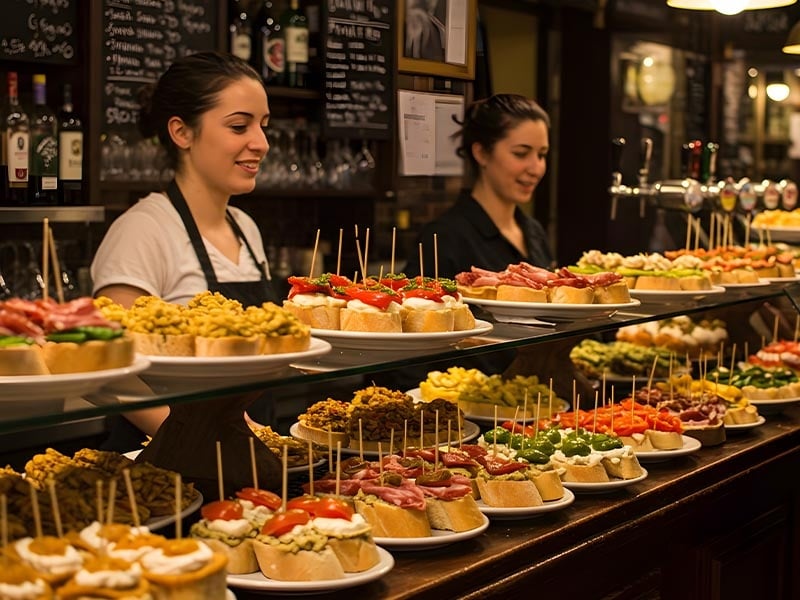
 The Basque Country, straddling northern Spain and southwestern France along the Bay of Biscay, is a region defined by contrasts that somehow resolve into coherence: Ancient language and cutting-edge cuisine, rugged fishing villages and avant-garde architecture, deep rural tradition and global culinary influence.
 In the world of fine wine, few names carry the same weight as Paul Hobbs. Revered for crafting world-class Cabernet Sauvignon, Chardonnay, Pinot Noir, and for helping elevate wine regions across multiple continents, Hobbs has become one of the most respected winemakers of his generation. Yet the story of Paul Hobbs does not begin in Napa Valley tasting rooms or among collectors chasing 100-point scores. It begins on a fruit farm in upstate New York, where hard labor, cold winters, and a deep connection to the land shaped the philosophy that would define his career.
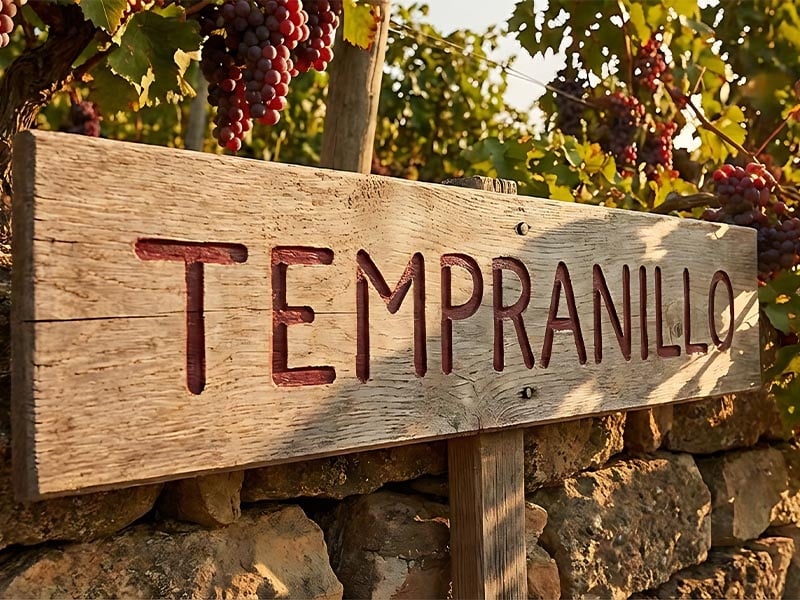 Spanish cultivation of Vitis vinifera, the common ancestor of almost all vines in existence today, began in earnest with Phoenician settlements in the southern provinces. Later, according to the Roman writer Columella, vines were grown all over the Iberian Peninsula, establishing a long viticultural tradition. Within this context, Tempranillo emerges as an old grape dating back to at least the ninth century, where there were only scattered references to the name. This is presumably because, in many places, such as the Valdepeñas region, it was the dominant indigenous variety and simply assumed to be a different grape.
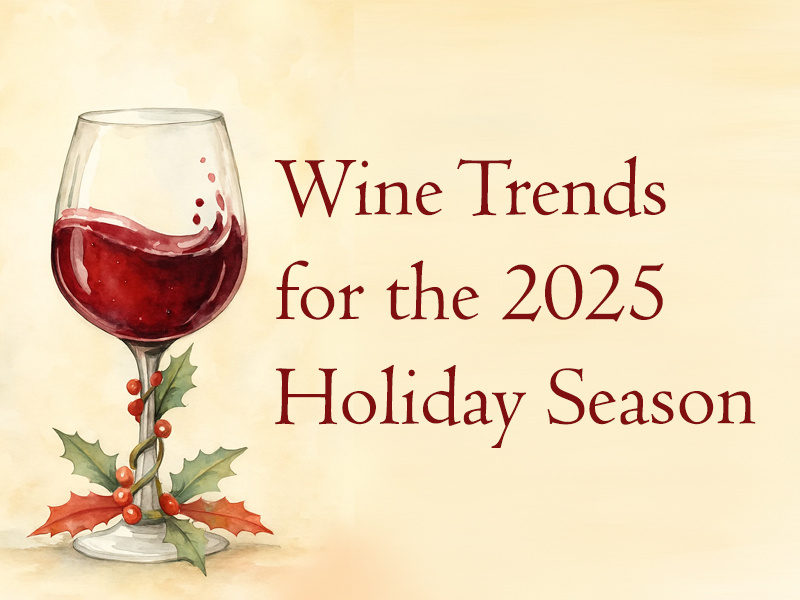 The holidays bring more than just festive decorations, they bring a surge of curiosity about wines that suit celebrations, special dinners, and gift-giving. Wine enthusiasts and casual sippers alike are searching for wines that offer excitement, approachability, and a sense of occasion. This year, searches spike for bubbly wines, crisp whites, aromatic orange wines, chillable reds, and approachable alternatives to Cabernet. Each category resonates with a different kind of holiday moment, and the wines chosen perfectly answer that demand.
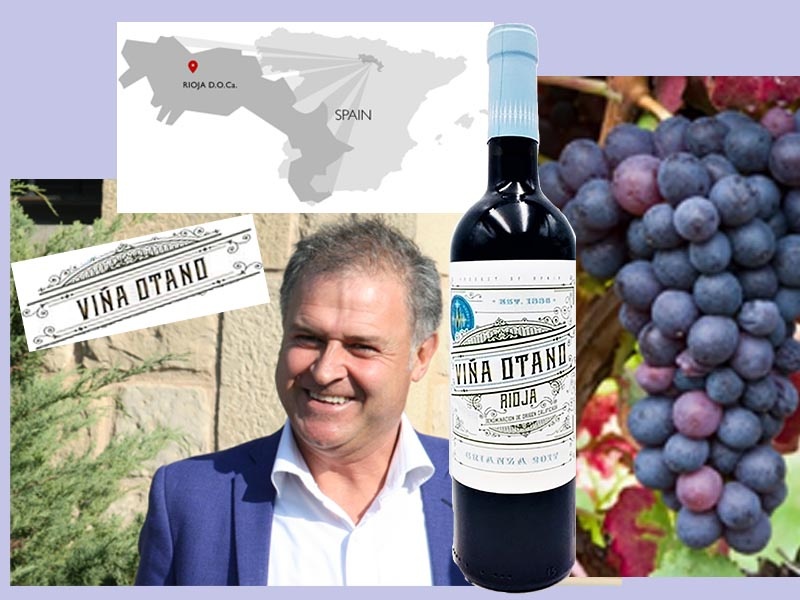 Rioja, Spain: not exactly the most obscure wine region on the planet when it comes to producing gorgeous, internationally recognized wine. In fact, it was just a few days ago, on October 30th, 2025, that James Suckling announced the Top 100 Most Prestigious Wines of Spain. After evaluating 3,500 wines this past year, Rioja was crowned the best wine region in Spain for the third year in a row.