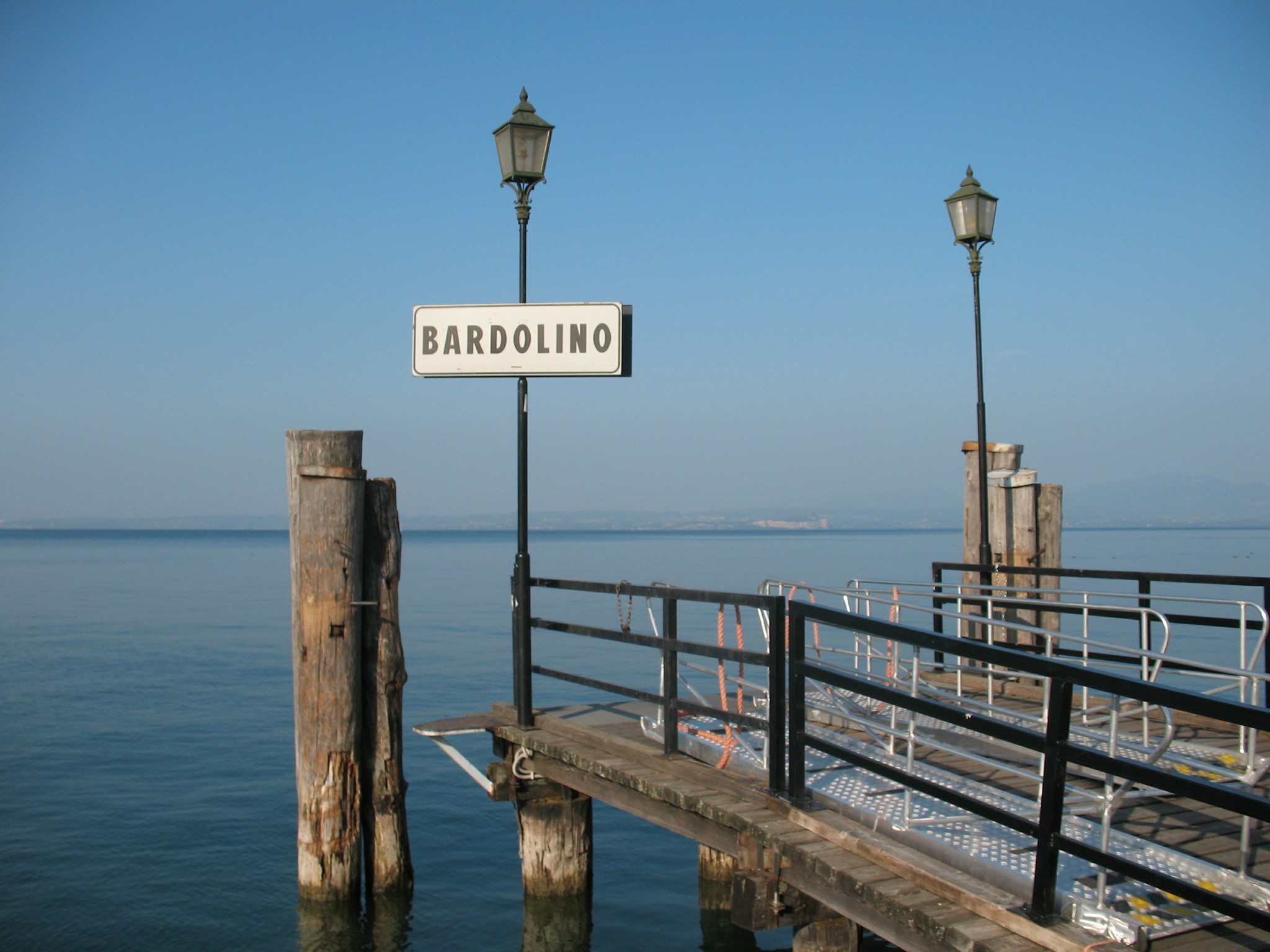
Along the east of Lake Garda, the province of Veneto, in north-eastern Italy, lies around the picturesque town of Bardolino. The wine region takes its name from this town, but it also encompasses a broader area. Wines labelled as Bardolino Classico are those made specifically near the town of Bardolino, itself, from original vineyards.
This Saturday, November 28th, 2020, is Small Business Saturday, and City Vino hopes that you can join us for a very special tasting, with Jon Yeager of International Cellars. For those who have participated in our Zoom tastings over these last few months, you have already enjoyed Jon’s terrific personality and sense of humor, and now you can meet him in person. He’ll be in-store from 11 am to 5 pm, along with a few pop-up sales you don’t want to miss.
For Thanksgiving this year, we are suggesting Old World style of wines. Old World style, in simple terms, means wines from Europe that are not high in alcohol, and not with an abundance of super ripe fruit flavors, due to cooler climate. For more information on Old World versus New World styles of wine, here is our blog post from October 22, 2019.
Have you ever wondered how wine grapes are grown in what seems like difficult climates like South America, Germany, South Africa, and Canada? The answer lies in mitigating factors such as choice of grape, proximity to bodies of water, currents, winds, altitude, aspect, mountain ranges, and even types of soils.