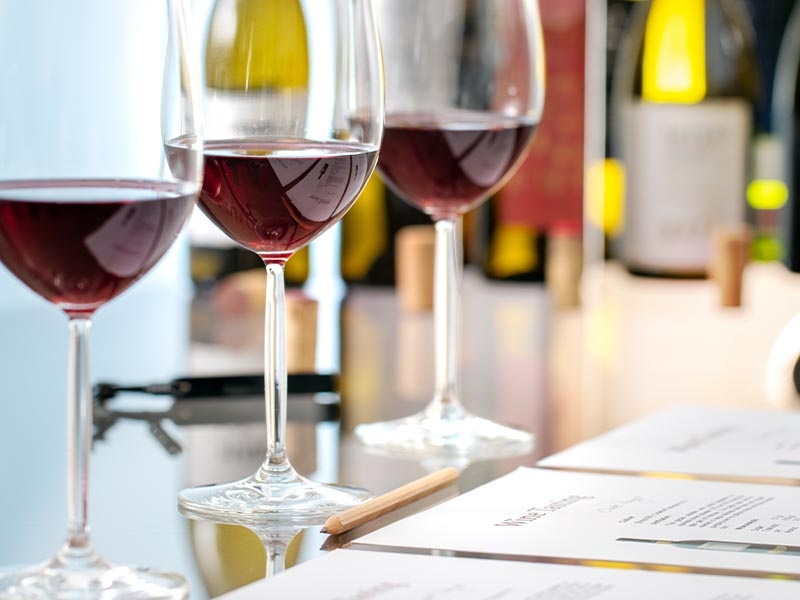
 With the back-to-school season upon us, this is a good time to go back to “wine” school and get down to basics; to go back to the root of your wine enthusiasm. Whether you drink wine for sport or edification, it always enriches the experience to get down to the roots. Going back to basics is always a good exercise, to not only enhance your experience, but to refresh the mind and awaken your palate to new experiences.
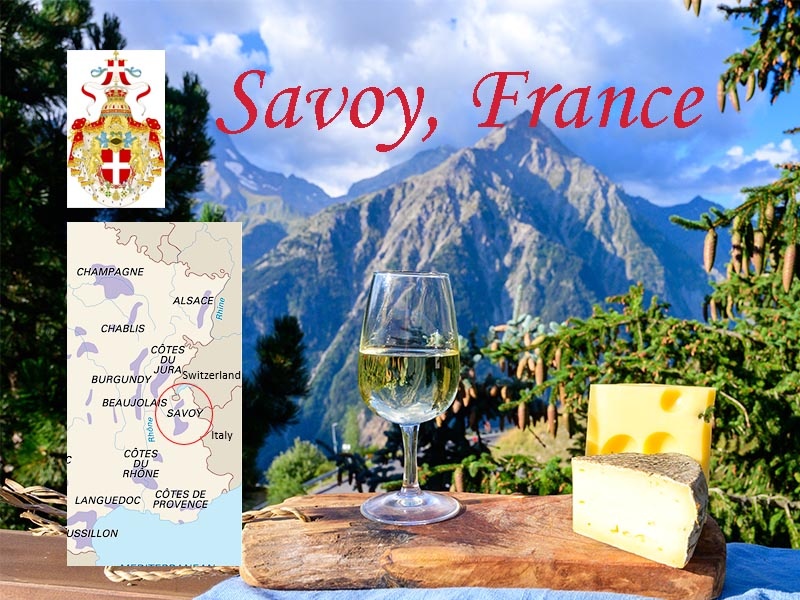 First, let us tackle how you say the name of this region, Savoie, or sometimes spelled Savoy: “Sav-wa.” A fairly common misspronunciation is “Sav -oi.” It’s kind of like the difference between saying cow or bovine.
 This week’s blog/newsletter is not varietal-, location-, or style-themed. The focus is on some wines being featured this week in-store. Wines you may or may not be familiar with, and possibly turn your head and say, “Hmm, that is a wine to geek out on!”
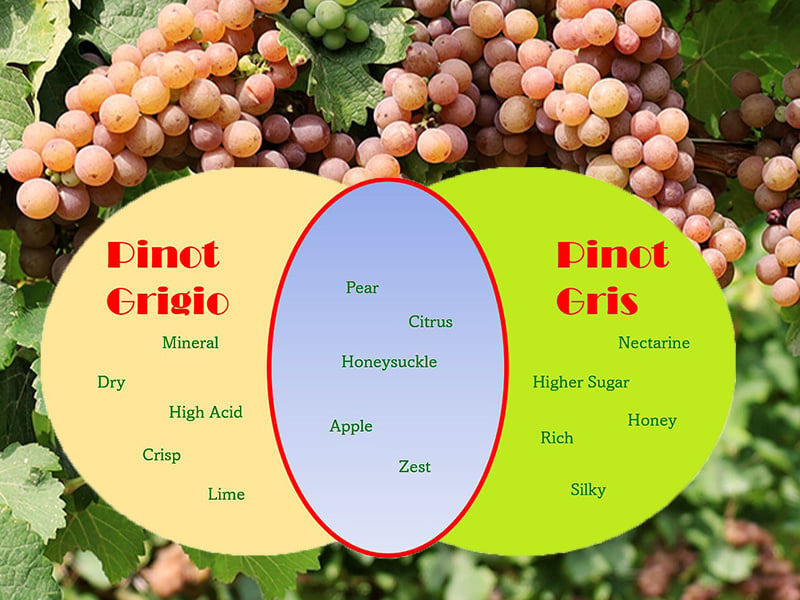 Pinot Gris and Pinot Grigio are two names for the same grape variety. Often the produced wines will exhibit very distinct characteristic differences, due to the winemaking styles and regional influences.
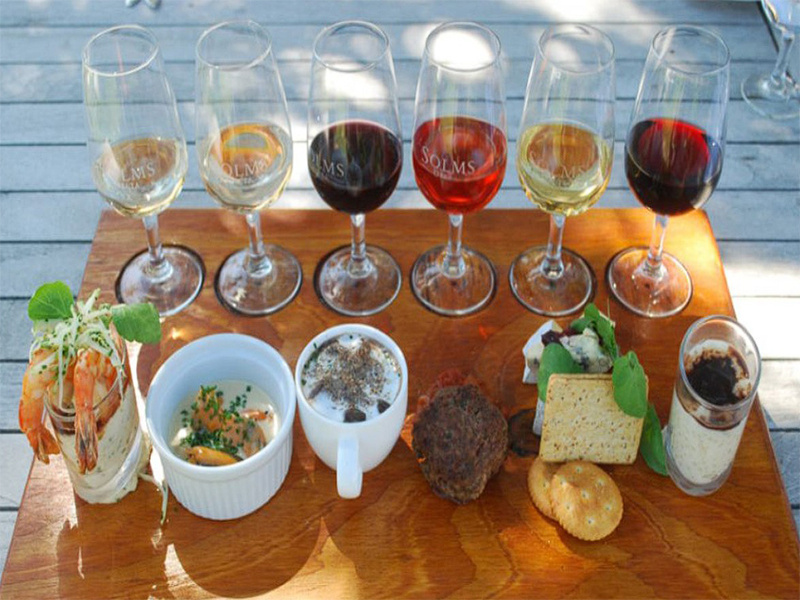 Wine pairing has a rich and fascinating history that spans back to ancient civilizations. The practice of winemaking itself dates back at least 8000 years, with archaeological evidence of wine cellars more than 4000 years old. In ancient Egypt and Rome, wine played a central role in extravagant feasts and social gatherings. While formal wine pairing might not have been a structured practice in those times, it is likely that individuals experimented with various combinations of food and wine to enhance their dining experiences.