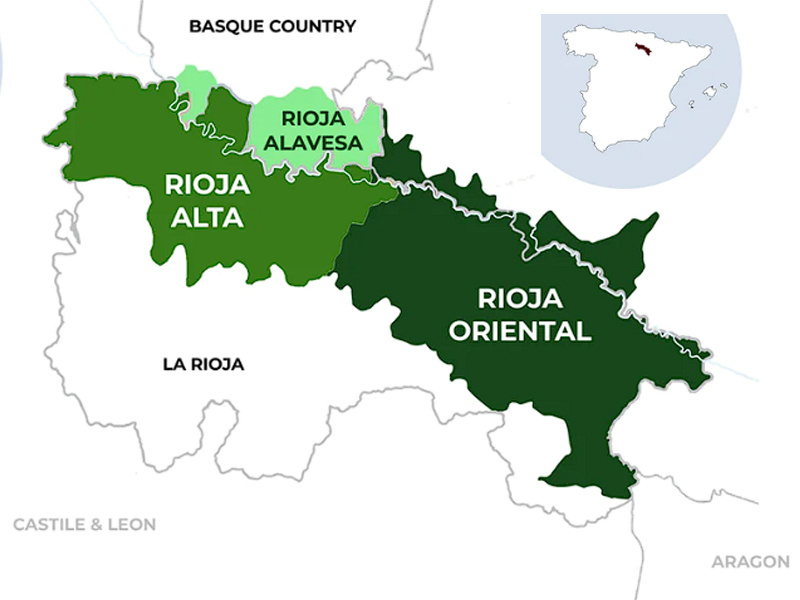
 The Rioja wine region, nestled on a plateau in the northeastern corner of Spain, is a land of rich history, diverse terroirs, and unparalleled viticultural traditions. Spanning an altitude range of 300 to 800 meters, Rioja's landscape stretches approximately 60 miles along the northeastern banks of the Ebro River, from the enchanting city of Haro, in the northwest, to the picturesque town of Alfaro, in the southeast. This geographical diversity, coupled with its unique climatic conditions and political boundaries, contributes to the region's remarkable array of wines, each bearing the unmistakable stamp of Rioja's terroir.
 This is the big week football lovers, commercial fans and foodies have been waiting for! Whether or not football is the real reason for watching the Super Bowl, it usually instigates a celebration of good party food and drink. Due to the ever-popular Clydesdales, singing frogs, and lovable dogs, the featured drink always seems to center around beer, even though the NFL is now promoting Barefoot Wine as the “Wine of the NFL.” Let us be honest, there could have been a better choice … and while that might be your choice to have at parties where the audience is unknown, now is the chance to sway your audience toward “other” wine, and show them that yes, it is possible to have wine AND football food!
 The holidays are over. No more parties, social gatherings, office socials or happy hours involving alcohol. In comes “Dry January,” with the intention of a cleanse and reboot for your body. During the holidays and all the events that go along with them, we tend to focus more on the event and social part, than what is in our glasses. We end up mindless drinking, which, in turn, leads to a little bit of careless drinking. One goal of “Dry January” is not just about a cleanse for the body, but also your relationship with alcohol, more specifically in this case, wine.
 With the holidays just around the corner, literally, are you ready with dinner party wines? Do you still need a unique gift for that wine lover, and want something with some character? Do you struggle with the imminent small talk that accompanies holiday gatherings? To help, here are some wines to consider, and a little conversation to go with them. There are wines that not only inspire sonnets on what is going on in the glass, and then there are those that encourage more in-depth conversations on the history and the story of the how, and who, of that wine.
 Last year, the 700 block of Caroline decided to collaborate with each other during the Christmas holiday season. As a way of promoting each other, Chris Allen, of Duly Noted, suggested a cookie crawl where customers would purchase a tin and then collect their cookies along the path of participating businesses. Having sold out of tickets, Chris decided to take this idea to a much bigger platform. Chris is also the Executive Director of Mainstreet, which is a national nonprofit organization that focuses on the economic improvements of historical downtowns.