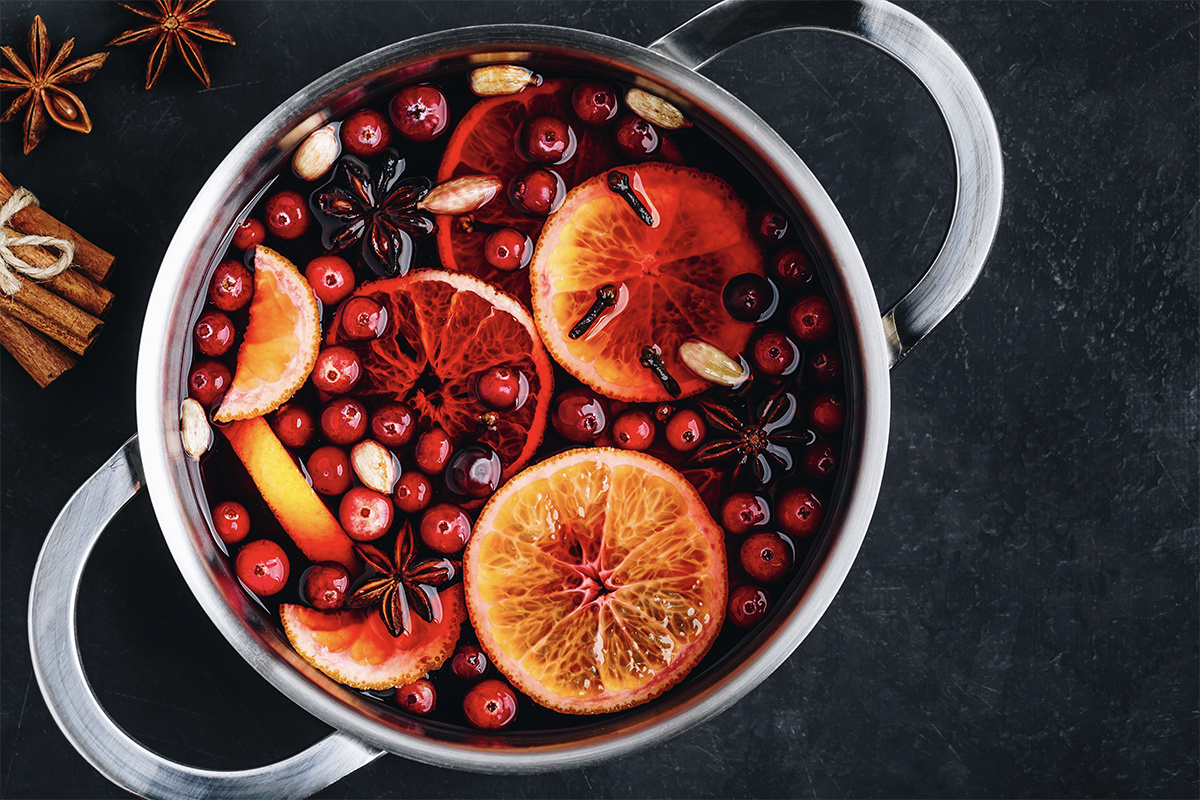
 As the temperatures drop and our bodies attempt to adjust to the cooler temperatures of the fall into winter, we don heavier fabrics or add layers of clothing, sit in front of a roaring fire in the firepit or fireplace, and look to hot drinks to warm us from within. This week’s blog features warm wine concoctions, to ease in with the seasonal temperature transition.
 This year, instead of donning one’s newly acquired dress or suit, new shoes, and matching accessories—perhaps including a proper bonnet—those who celebrate Easter will not head to church to gather and worship, but instead will be at home with only their immediate family, or even alone. These are times of safety first, stay in place, and quiet contemplation.
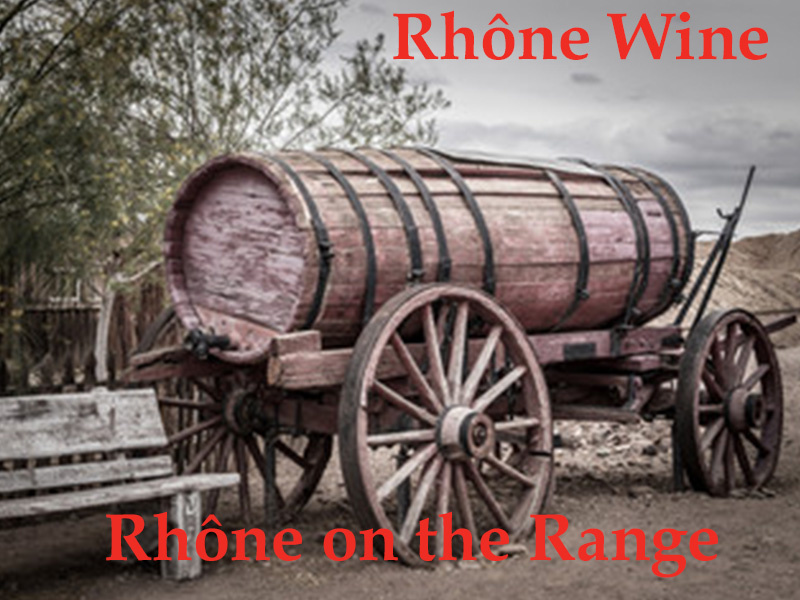 The Rhône Valley region of France runs in a narrow band from Burgundy to its north to Provence to its south, and is one of the oldest wine-growing areas in France. It comprises two distinct areas—the Northern Rhône Valley and the Southern Rhône Valley, both of which are along the Rhône River. Different styles of wines are produced in each area, but both are known predominantly for red wines.
 The first vines brought to Chile came via Spanish Conquistadors as early as the 1500s. Immigrants from Europe would bring more varieties to Chile, especially from Bordeaux in the 1800s. As of 2020, 70 percent of Chilean wine production is exported.
 1. The public holiday in France on July 14th is not called “Bastille Day” at all! It is called “la Fête Nationale” (“The National Holiday), or “le Quatorze Juillet” (“July 14th”). July 14 commemorates the date that a group of anti-monarchists broke into the Bastille, a prison in central Paris, on July 14, 1789. The Bastille was rumored to have housed many political dissidents who were locked up by tyrannical rulers.