Robert Mondavi and the Beginning of Modern Napa (1965–1975)
In 1965, a bitter disagreement between Robert and his brother Peter brought an end to Robert’s involvement at Charles Krug. The brothers had spent more than twenty years working together, but their differences over management, investment, and the direction of the business had become increasingly difficult to resolve. Robert eventually left the family winery. Rather than retreat from the wine industry, he decided to build something of his own.
 Napa Valley’s history is often told as a story of extraordinary wines, wealthy investors, beautiful estates, and international recognition. But the real story is considerably more interesting. It is a story of immigrants and entrepreneurs, agricultural experimentation, economic collapse, family rivalries, scientific mistakes, and an almost stubborn determination to make something extraordinary out of the land. Napa did not become one of the world's most celebrated wine regions overnight. It took nearly two centuries, several near-death experiences, and a handful of people who refused to accept that California wine should always be considered inferior to European wine.
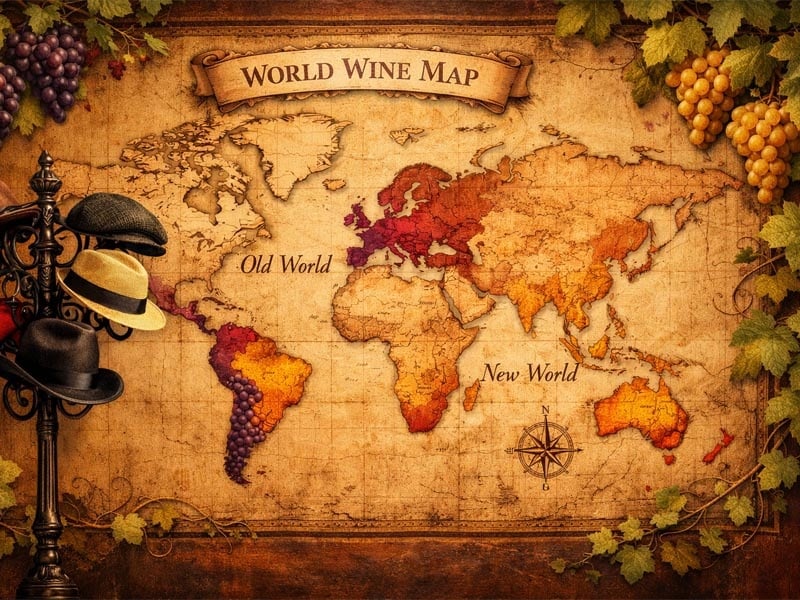 This begs the question: When, after you have invaded and then integrated your culture into, or maybe on top of another culture, can you then call that region your home? When does that happen? Not sure?
 The holidays bring more than just festive decorations, they bring a surge of curiosity about wines that suit celebrations, special dinners, and gift-giving. Wine enthusiasts and casual sippers alike are searching for wines that offer excitement, approachability, and a sense of occasion. This year, searches spike for bubbly wines, crisp whites, aromatic orange wines, chillable reds, and approachable alternatives to Cabernet. Each category resonates with a different kind of holiday moment, and the wines chosen perfectly answer that demand.
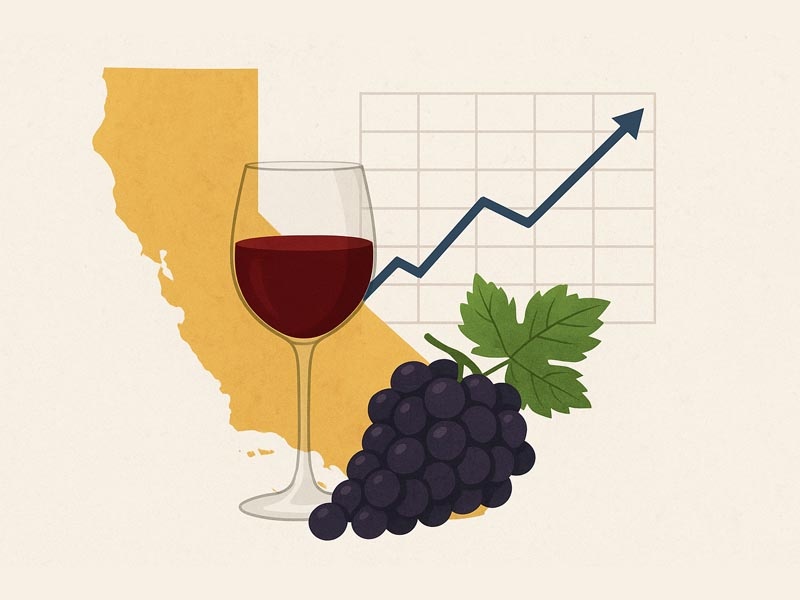 California’s wine industry is navigating a period of profound transformation. Over the past few years, the state has witnessed an overwhelming surplus of grapes, tumbling demand, drastic market shifts, and seismic distribution changes. Once buoyed by strong vintages and steady consumer interest, the landscape today demands both clarity and adaptation.