With Memorial Day Weekend approaching, everyone is anxiously awaiting the kickoff to the summer season. Not officially, of course, but most think of it as the gateway into warmer weather, trading the long sleeves for tank tops, packing up the thermals, and opting for a cool drink instead of a hand and body warmer.
Mother’s Day is upon us this weekend. Think about it: Without these women, we, as beings, would not exist in the first place. Reflecting on this, we are the ones who have heard her heartbeat from the inside. That thought is just so profound. Life exists because of mother. How do you grasp that?
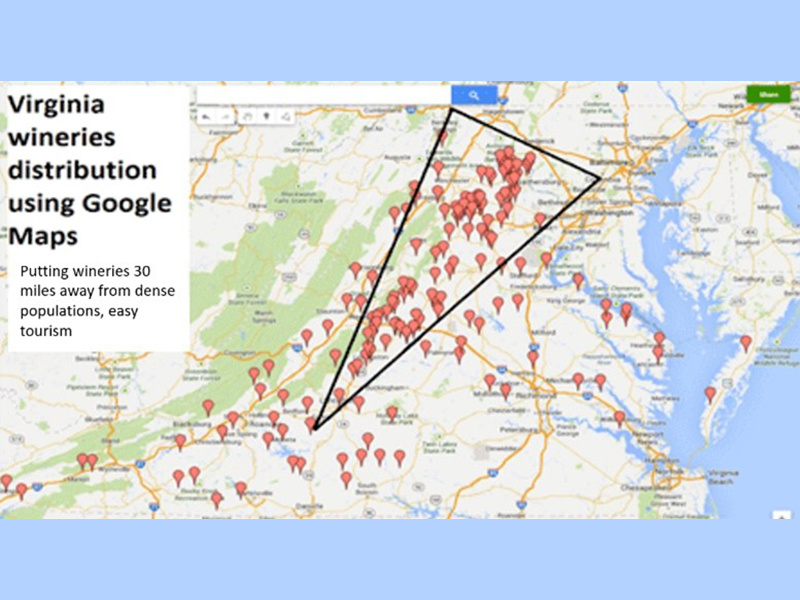
The Shenandoah Valley is quickly developing in to an attractive, respected area to grow grapes. This location has shown to be prosperous with European wine grape varietals. The rolling hills create great drainage, and cool air, which help with producing sweet grapes, while protecting the vineyards from frost. Not to mention some of the prettiest countryside in Virginia that creates the perfect destination for wine tasting and touring. Bluestone Vineyard is in the center of a beautiful valley, named after the "bluestone" (a type of limestone) that is a main component of the local soil.
As many of you have known, the modern-day Virginia wine industry started in the late 1970s, with Gabriel Rausse as the modern-day Father of Virginia Wine. By the year 1980, Virginia had a rocking 10 wineries, which slowly grew to about 50 wineries by 1990. Under the Farm Winery Act of 1980, wineries were farms, so limited restrictions were needed, given normal agricultural activity. Wineries were free to have gatherings on their properties, and to construct or make additions to facilities in the use of wine production.
The winery’s location will determine what wine laws it may choose to participate under. Wine laws are meant to strengthen the branding relationship between winery and consumer by informing the customer what level of quality, approved varietal used, and production methods were imposed to produce a bottle of wine.